
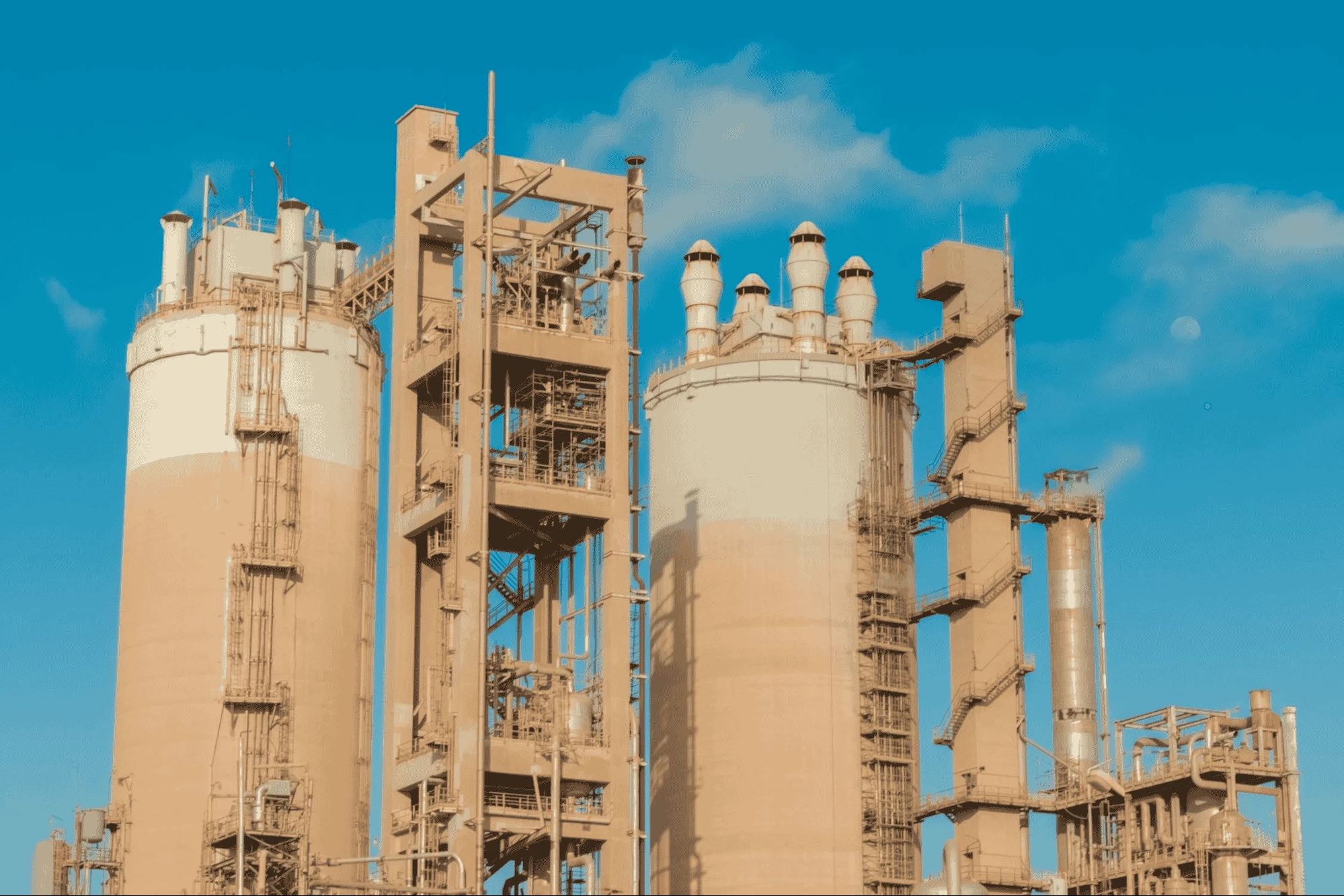
Revolutionizing Petrochemical Plants: How Automation and Control Systems Boost Efficiency, Safety, and Profitability
Discover how advanced automation solutions are transforming India’s petrochemical industry with real-world case studies and actionable insights.
Introduction: The Petrochemical Challenge
Petrochemical plants in India face a triple threat: complex operational risks, high downtime costs, and safety hazards.
With the industry projected to grow at a 7.5% CAGR by 2026, the need for efficiency and safety has never been greater.
Stats:
- 60–70% of unplanned downtime in petrochemical plants is due to equipment failure.
- 70% of maintenance costs in Indian plants stem from reactive repairs, not proactive strategies.
“In an industry where seconds matter and risks are high, automation isn’t just an upgrade—it’s a lifeline.”
How Automation Transforms Petrochemical Operations
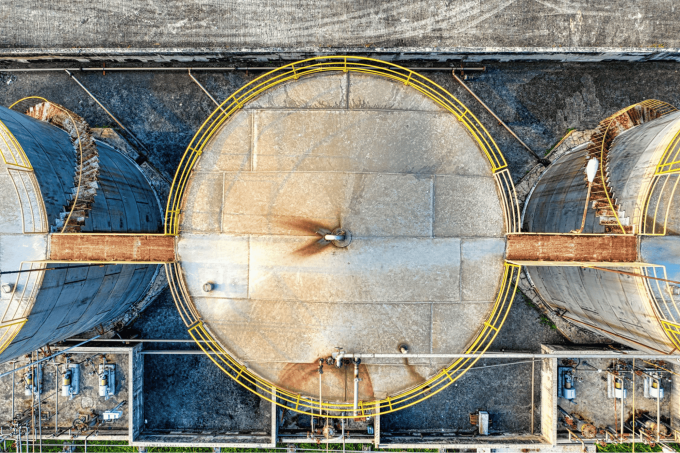
Process Optimization: Real-Time Monitoring:
Advanced sensors and Programmable Logic Controllers (PLCs) enable 24/7 tracking of critical parameters like temperature, pressure, and flow rates. For example, HMEL (HPCL-Mittal Energy) partnered with Emerson and AVEVA to deploy IoT sensors in its refineries, cutting downtime by 20% in the first year.
Predictive Maintenance
AI-driven analytics predict equipment failures 30–40% faster than traditional methods, reducing emergency repairs. A Mumbai-based refinery used AI to forecast compressor failures, saving ₹5 crore annually in maintenance costs.
Case Study: ExxonMobil’s Open Process Automation (OPA) system at its Baton Rouge plant cut costs by 20% and streamlined operations by unifying legacy systems.
Enhanced Safety: Risk Mitigation:
Automation minimizes human intervention in hazardous tasks, such as handling toxic chemicals or high-temperature equipment.
At Reliance Industries’ Jamnagar refinery, AI-powered cameras monitor for gas leaks and unauthorized access, reducing safety incidents by 40%.
“Automation is the backbone of safety in modern petrochemical plants—it turns reactive responses into proactive safeguards.” — PetroChem Expert.
Why Automation is Critical for Indian Petrochemicals
- Cost Savings: Predictive maintenance reduces emergency repairs by 40%, saving ₹10–15 crore annually for medium-sized plants.
- Growth Opportunity: India’s rising demand for petrochemicals requires efficient, scalable solutions. Automation ensures plants can meet 7.5% annual demand growth without compromising safety.
- Quote: “AI is no longer a luxury—it’s a necessity for staying competitive in India’s rapidly evolving market.” — Global Chemical News.
Case Studies: Success Stories from India and Beyond
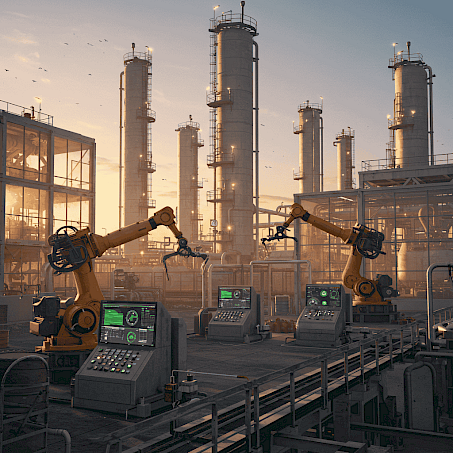
Case Study 1: Gujarat Petrochemical Plant
Challenge: Frequent equipment malfunctions caused 15% production loss and ₹20 crore annual downtime costs.
Solution: Implemented AI-powered predictive maintenance and digital twin technology to simulate plant operations in real time.
Outcome:
- Downtime reduced by 40% after 6 months.
- Maintenance costs dropped by 25% due to fewer emergency repairs.
“Digital twins allowed us to ‘test’ solutions virtually before applying them physically—saving millions.”
Case Study 2: Mumbai Refinery
Challenge: Manual monitoring delayed responses to leaks, leading to 50 environmental incidents/year and fines of ₹50 lakh.
Solution: Installed IoT sensors and automated control systems for 24/7 alerts on emissions and equipment health.
Outcome:
- Environmental incidents reduced by 50% within a year.
- Compliance improved by 30%, avoiding regulatory penalties.
“Real-time alerts turned us from reactive responders to proactive guardians of safety.”
Case Study 3: HMEL’s Digital Transformation
Challenge: Hindustan Mittal Energy Limited (HMEL) faced inefficiencies in its 11.3 MMTPA refinery due to outdated systems.
Solution: Partnered with Emerson and AVEVA to deploy AI, IoT, and digital twins for process optimization.
Outcome:
- Energy efficiency improved by 15% through real-time optimization.
- Safety incidents dropped by 35% via AI-driven risk prediction.
“Process automation is no longer a choice—it’s a necessity for survival.”
Best Practices for Implementing Automation
Start with Data: The Foundation of Automation
- IoT Sensors: Deploy sensors to collect granular data on temperature, pressure, and equipment performance.
- Example: HMEL used IoT sensors to monitor 1.2 MMTPA polyethylene plants, cutting downtime by 20% .
- Quote: “Data is the fuel that powers automation—without it, you’re flying blind.” — Global Chemical News.
Integrate AI: From Reactive to Predictive
- Predictive Maintenance: Use machine learning to forecast failures 30–40% faster than traditional methods.
- Example: A Mumbai refinery saved ₹5 crore annually by predicting compressor failures via AI .
- Quote: “AI turns maintenance from a cost center into a profit driver.” — PetroChem Expert.
Adopt Digital Twins: Virtual Twins for Real-World Gains
- Real-Time Optimization: Create virtual replicas of plants to test scenarios risk-free.
- Example: Reliance Industries used digital twins to simulate safety protocols, reducing incidents by 40% .
- Quote: “Digital twins are like a time machine—they let you see the future of your plant today.” — AVEVA VP Ajit Kulkarni .
Why Automation is Critical for Indian Petrochemicals
- Cost Savings: Predictive maintenance cuts emergency repairs by 40%, saving ₹10–15 crore annually for medium-sized plants.
- Growth Opportunity: India’s petrochemical demand is growing at 7.5% CAGR—automation ensures plants can scale without compromising safety .
AI is no longer a luxury—it’s a necessity for staying competitive in India’s rapidly evolving market.” — Global Chemical News.
Future Trends: What’s Next for Petrochemical Automation?
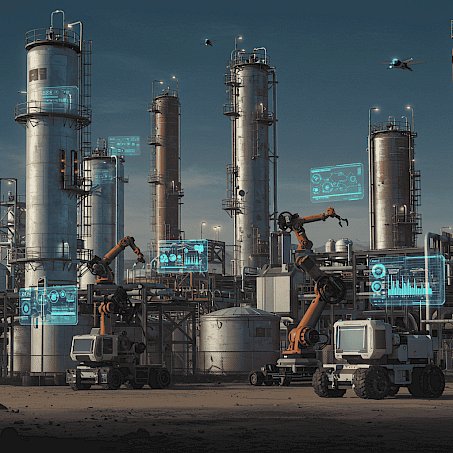
As we’ve seen, automation is no longer optional—it’s the key to survival in India’s competitive petrochemical landscape. But what’s next? Let’s dive into the trends shaping the future:
- Open Process Automation (OPA): ExxonMobil’s modular system cuts costs by 20% by eliminating vendor lock-in. In India, HMEL’s partnership with Emerson and AVEVA aims to adopt similar principles, focusing on AI-driven optimization.
- Augmented Reality (AR): Mumbai refineries use AR glasses for remote troubleshooting, reducing on-site visits by 30% and cutting travel costs.
- Robotics: Gujarat plants deploy drones and robotic crawlers to inspect hazardous areas, eliminating 90% of human exposure to toxins.
“The future of petrochemicals is digital—those who embrace automation today will lead the industry tomorrow.” — Emerson India VP Amit Bhatia.
Supercharge Your Plant Today
Ready to transform your operations? Start with these steps:
- Start Small: Pilot predictive maintenance in high-risk zones like reactors. A Maharashtra plant cut emergency repairs by 50% in 6 months using IoT sensors.
- Partner with Experts
- Custom AI/ML models to predict failures.
- Digital twin simulations to test upgrades risk-free.
- 24/7 support from Honeywell-trained technicians.
- Final Stat: Plants using advanced automation see a 3–5x ROI within 3 years.
Don’t wait—join India’s petrochemical leaders in embracing automation. Your plant’s future depends on it.
Take the Next Step with Genesis Energy
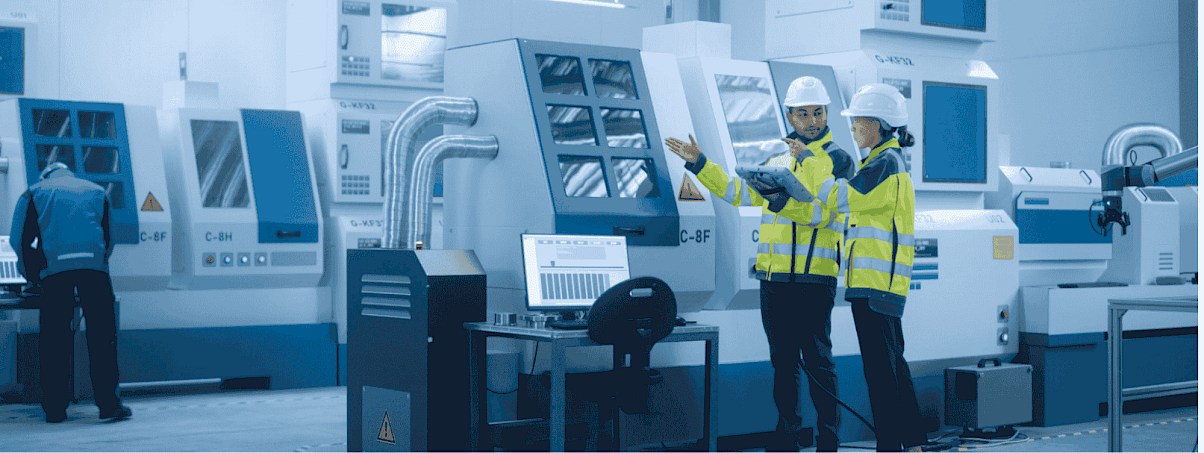
At Genesis Energy, we specialize in delivering the automation solutions you need to stay ahead. Our Industrial Automation & Process Control Systems include:
- Distributed Control Systems (DCS): Centralized monitoring for complex processes.
- Programmable Logic Controllers (PLC): Flexible automation for diverse applications.
- SCADA Systems: Real-time data for informed decisions.
- Cybersecurity: Protection against digital threats.
Why Choose Genesis Energy?
- Proven Track Record: We’ve empowered clients like ONGC to enhance efficiency and safety.
- Honeywell Partnership: Access cutting-edge tech like Experion® PKS (99.999% uptime) and Safety Manager (SIL 3 certified).
- Custom Solutions: From predictive maintenance to digital twins, we tailor systems to your needs.
What Our Clients Say:
“Genesis Energy’s automation solutions helped us cut downtime by 40% and improve compliance.”
Ready to Future-Proof Your Plant?
VisitAutomation & Control to explore our solutions or contact us for a free consultation.
Your journey to smarter, safer operations starts here.